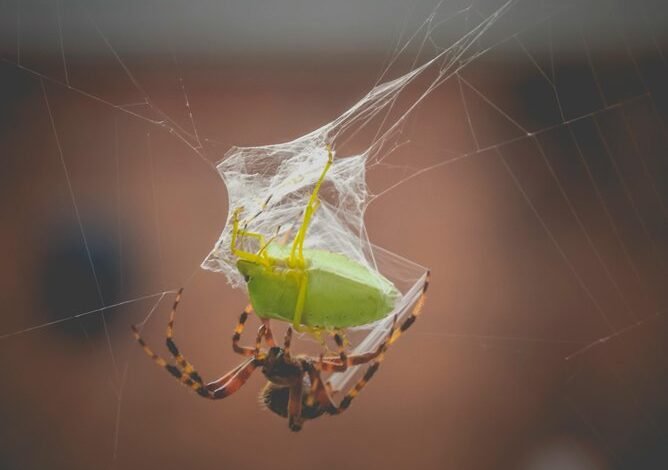
The Brazilian wandering spider is often labeled as the world’s most dangerous spider due to its potent venom and aggressive nature. This species thrives in humid tropical forests and frequently invades human habitats. Its neurotoxic venom can induce severe physiological reactions, raising concerns among those who encounter it. However, the complexities surrounding its behavior and the actual risks it poses warrant a closer examination. Understanding these nuances is essential for a comprehensive perspective on this formidable arachnid.
Identification and Habitat
The world’s most dangerous spider, often identified as the Brazilian wandering spider (Phoneutria spp.), exhibits distinctive characteristics that aid in its recognition.
Identification features include a robust body, long legs, and a hairy appearance, typically displaying varying shades of brown.
These spiders prefer humid environments, commonly found in tropical forests, under vegetation, or within human dwellings, highlighting their adaptability and habitat preferences.
Venom and Its Effects
Venom from the Brazilian wandering spider is a potent cocktail of neurotoxins that can cause severe physiological effects in humans.
Its venom potency is significant, leading to neurotoxic effects such as muscle paralysis, respiratory failure, and intense pain.
These outcomes are attributed to the disruption of neurotransmitter release and synaptic transmission, illustrating the dangerous nature of this arachnid’s venomous properties and potential impact on human health.
Behavior and Interaction With Humans
Behaviorally, the Brazilian wandering spider exhibits a range of traits that contribute to its reputation as one of the most dangerous spiders in the world.
Its aggressive tendencies are particularly pronounced during human encounters, where it may display defensive postures or attack when threatened.
This heightened aggression underscores the importance of caution in environments where these spiders are prevalent, as their interactions can lead to serious consequences.
Myths and Misconceptions
What common myths surround the Brazilian wandering spider, often leading to exaggerated fears?
Many myths stem from its mythical origins in folklore and cultural beliefs, portraying it as a lethal predator.
In reality, while its venom is potent, fatalities are rare, often resulting from allergic reactions rather than direct toxicity.
Understanding these misconceptions is essential for fostering a more informed and balanced perspective on this species.
Conclusion
In summary, the Brazilian wandering spider exemplifies the complexity of nature, combining striking physical characteristics with potent venom. While its aggressive demeanor may instill fear, it is essential to recognize that fatalities from bites are exceedingly rare and often linked to individual allergic reactions. This perspective invites a deeper appreciation of the spider’s ecological role, highlighting that even the most feared creatures can contribute to biodiversity and the balance of their environments, encouraging a healthier respect rather than irrational fear.